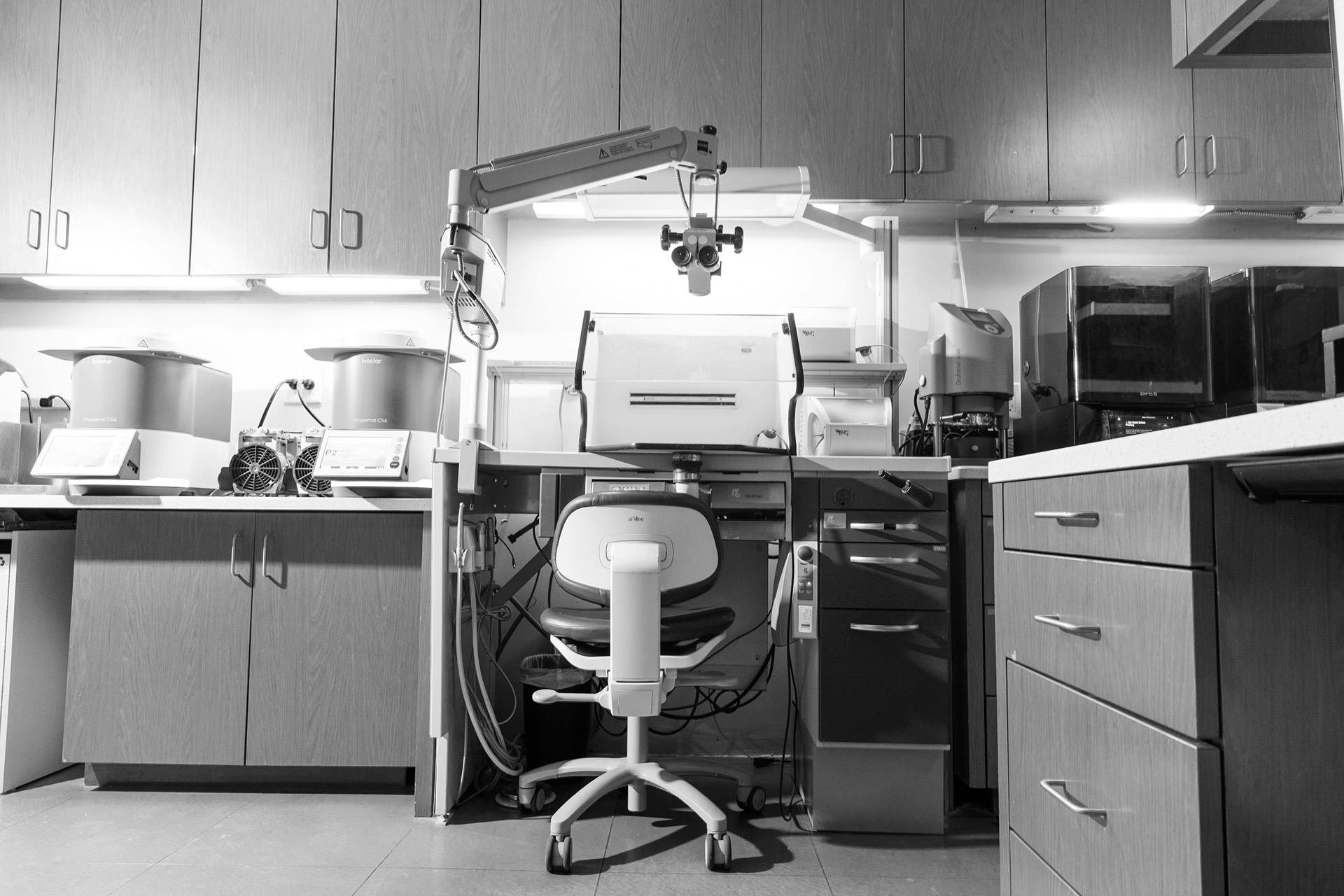
Redefining Precision Dentistry Through 3-D Printing

3-D printing, also known as additive manufacturing, has transformed modern dentistry by allowing dental restorations and appliances to be constructed layer by layer from digital designs. Unlike traditional fabrication methods, this process provides outstanding consistency, customization, and control. In dentistry, 3-D printing is now commonly used for surgical planning, restorative design, orthodontic appliances, and diagnostic models. This technology helps our clinicians achieve more predictable outcomes while enhancing efficiency and patient comfort.

How 3-D Printing Is Used at BayView Dental Arts

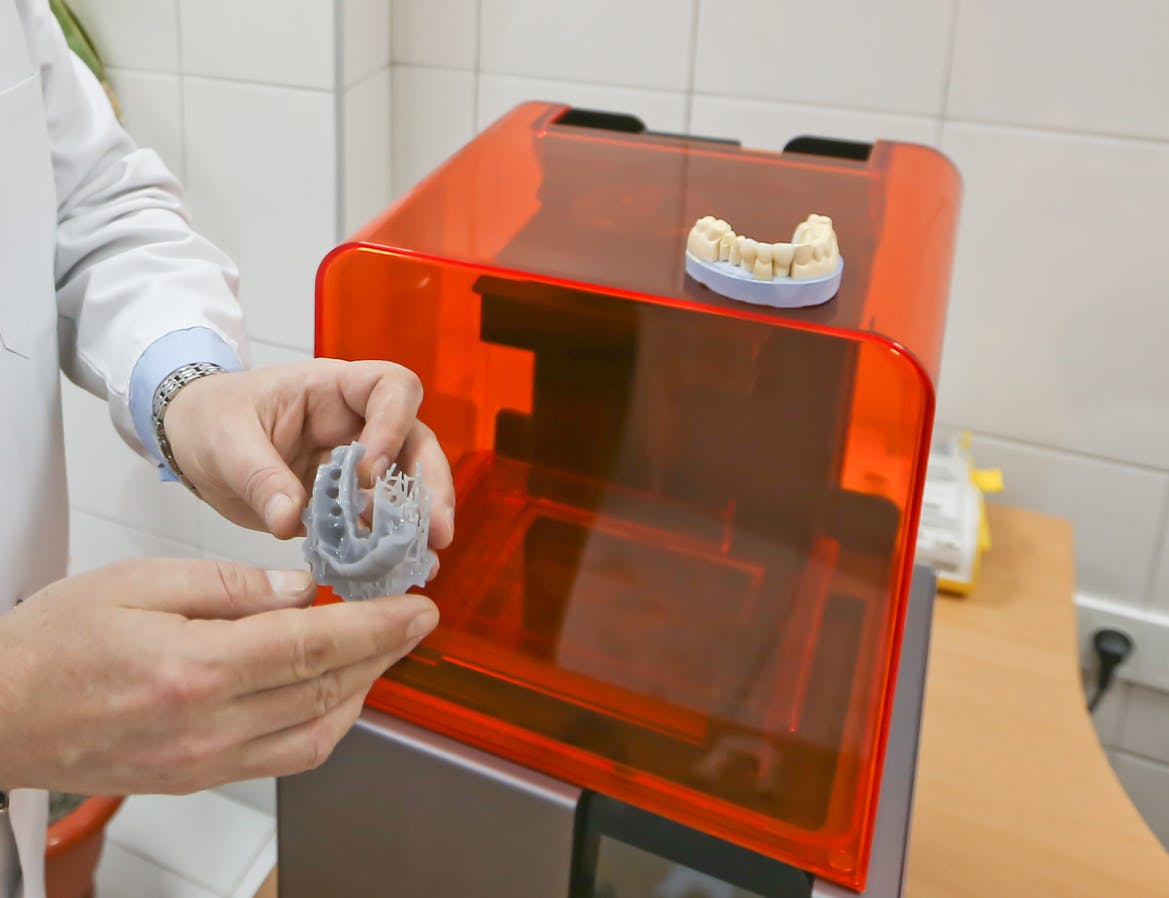
Dental 3-D printing begins with a precise digital scan of your teeth and oral structures. This data is converted into a three-dimensional model using specialized design software. A dental-grade 3-D printer then fabricates the final component using biocompatible materials approved for clinical use.

SprintRay 3-D printing technology supports a wide range of dental applications, including:

Customized Dental Implants & Planning

While implants themselves are not printed chairside, 3-D printing plays a critical role in creating surgical guides and models that support accurate implant placement, improving precision and predictability.

Crowns, Bridges, and Prosthetics

Highly detailed models and components are fabricated to ensure restorations fit comfortably, function naturally, and appear seamless with surrounding teeth.

Surgical Guides

3-D printed guides allow for controlled, accurate placement during implant procedures, helping protect surrounding anatomy and improve outcomes.

Orthodontic Appliances

Custom retainers, aligners, and orthodontic models are produced to reflect each patient’s unique tooth alignment and bite.

Background media

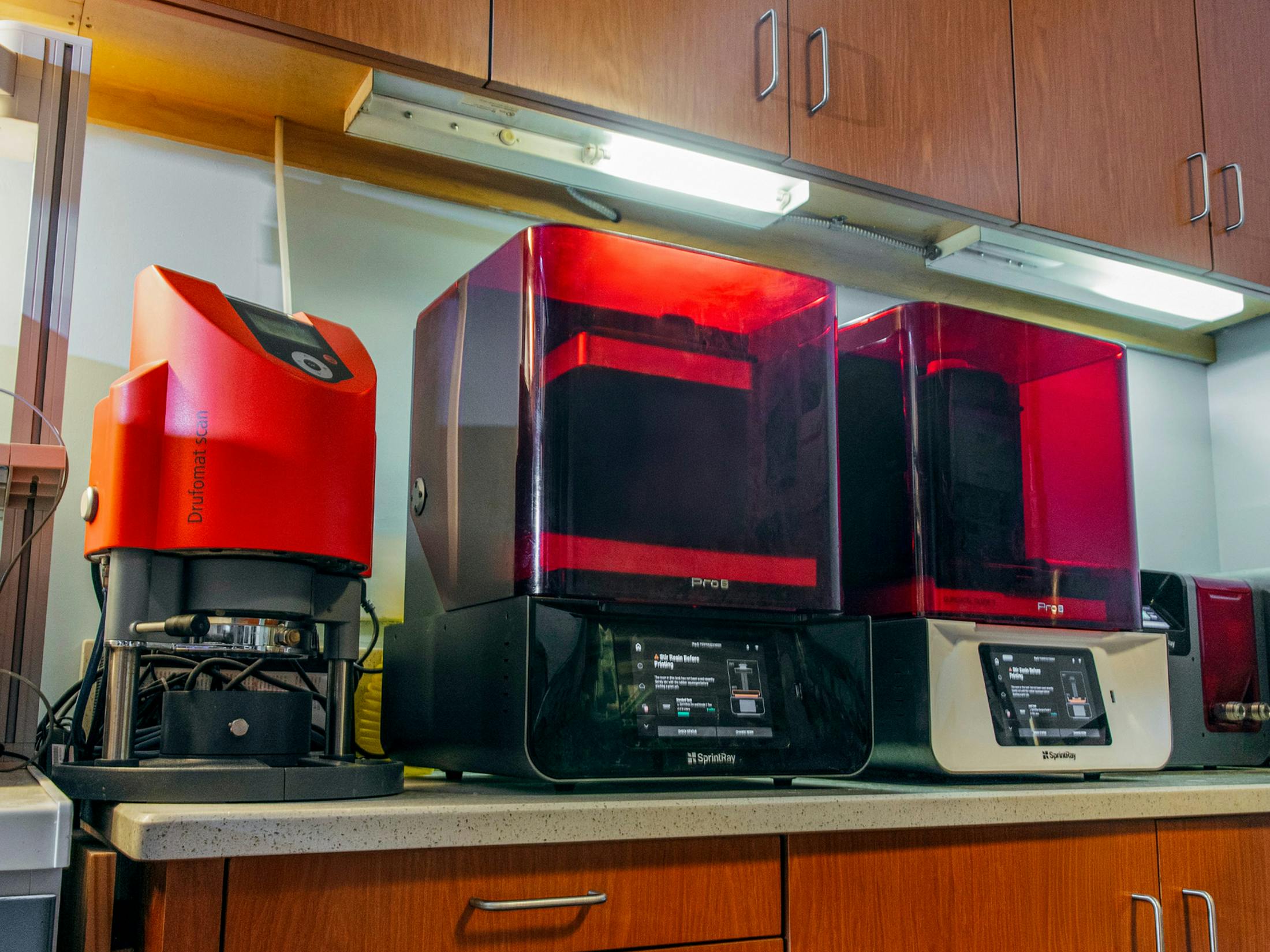
SprintRay 3-D Printing Technology

SprintRay is a leader in dental-specific 3-D printing systems designed for clinical accuracy and efficiency. Unlike industrial printers adapted for dentistry, SprintRay printers are engineered exclusively for dental workflows.

At BayView Dental Arts, SprintRay technology enables:

  • High-resolution printing for exceptional detail
  • Use of biocompatible dental resins
  • Rapid production of models and appliances
  • Seamless integration with digital scanning systems

Why We Chose In-Office 3-D Printing for Our Patients

Having SprintRay technology in-office allows BayView Dental Arts to reduce reliance on third-party laboratories for many components of care. This creates:

  • Faster treatment timelines
  • Fewer appointments
  • Improved accuracy and fit
  • Greater customization

Enhanced communication during treatment planning

Benefits of 3-D Printing in Dentistry

Because each component is digitally designed and fabricated, the result is dentistry that feels more precise, intentional, and tailored to the individual.

Additional benefits include:

  • Exceptional precision and consistency
  • Personalized treatment solutions
  • Reduced manufacturing and wait times
  • Improved comfort and fit
  • Predictable, repeatable outcomes
Banner media

Smile Makeover

View Gallery

How the Process Works

  1. Digital Scanning: Your teeth are captured using advanced imaging technology.
  2. Design & Planning: Restorations or appliances are digitally designed.
  3. 3-D Printing: SprintRay printers fabricate components layer by layer.
  4. Finishing & Placement: Final adjustments are made for comfort and aesthetics. This streamlined process allows our dental team to maintain full oversight from start to finish, ensuring quality at every stage.
Banner media

The Future of Dentistry Is Digital

3D printing has become an essential part of modern dentistry, enhancing accuracy, consistency, and personalization in restorative, surgical, and preventive care. As digital workflows evolve, this technology enables dental treatments to be planned and delivered with increased control and predictability.

At BayView Dental Arts, we use innovative technologies like SprintRay to significantly enhance the patient experience. This allows for efficient treatment timelines, precise customization, and reliable results. Combined with a calm, spa-inspired environment and a highly skilled dental team, our approach merges innovation with comfort at every stage.

The outcome is dental care that is intentional, modern, and centered around you. Schedule a private consultation to learn how 3D printing technology at BayView Dental Arts can elevate your care.

FAQs

Is 3-D printed dental treatment safe for long-term use?

Yes. Dental 3-D printing uses biocompatible materials specifically designed for intraoral use. These materials are tested for durability, safety, and stability, making them appropriate for long-term dental applications when clinically indicated.

How accurate are 3-D printed dental restorations?

3-D printed dental components are highly accurate because they are created from digital scans rather than physical impressions. This digital precision helps minimize distortion and allows restorations to closely match your natural anatomy.

Will my 3-D printed dental restoration look natural?

Absolutely. 3-D printed components are designed to integrate seamlessly with your existing teeth. Their precise fit supports natural contours, proper function, and a refined aesthetic once finalized and placed.

Does 3-D printing reduce the number of dental visits I’ll need?

Possibly! In-office 3-D printing enables certain steps to be completed more efficiently, reducing wait times between appointments and streamlining overall treatment plans.

Can 3-D printing be used to fix or replace broken dental appliances?

Yes. Because digital files can be saved and reused, 3-D printing makes it easier to reproduce or adjust certain dental appliances if they are damaged or lost, often without restarting the entire process.

Are 3-D printed dental solutions comfortable?

Comfort is a key advantage. Because appliances and restorations are digitally customized, they fit more precisely, reducing pressure points, irritation, and the need for multiple adjustments.

Are there any risks or side effects associated with 3-D printed dental care?

The technology itself does not add risk. As with any dental treatment, outcomes depend on proper diagnosis and clinical application. When used appropriately, 3-D printing often supports more controlled, predictable care.

Contact us media
Accessibility: If you are vision-impaired or have some other impairment covered by the Americans with Disabilities Act or a similar law, and you wish to discuss potential accommodations related to using this website, please contact our Accessibility Manager at (239) 360-5944.
Contact Us